“Organic coffee beans” search results (3000)
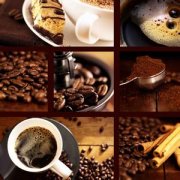
Organic Coffee and traditional Coffee Fine Coffee
How organic coffee differs from traditional coffee: coffee factories traditionally grow in shade trees and other food and commodity crops. This approach is done for healthier soil and prevented water pollution. Unfortunately, many coffee growers have abandoned this approach in favor of larger crops and greater profits. However, integrated pesticides, herbicides and fertilizers have become necessary
2015-07-28 Organic coffee tradition boutique common sense organic how different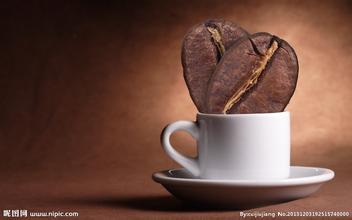
Introduction of Peruvian Coffee with elegant and mild sour taste
Compared with high-quality organic Peruvian coffee, the difference between ordinary organic Peruvian coffee and high-quality organic Peruvian coffee is huge: relatively cheap beans are not only poor in quality, but also have obvious defects in the cup. Especially the grass flavor, overfermented flavor. To find good Peruvian coffee beans requires a lot of work in a lot of middlemen or other ways.
2016-09-14 Contains elegant mild sour Peru coffee flavor taste manor producing area
How organic coffee is different from traditional coffee
How organic coffee differs from traditional coffee: coffee factories traditionally grow in shade trees and other food and commodity crops. This approach is done for healthier soil and prevented water pollution. Unfortunately, many coffee growers have abandoned this approach in favor of larger crops and greater profits. However, integrated pesticides, herbicides and fertilizers have become necessary
2015-04-28 Organic coffee how tradition different organic have
Organic delicious coffee is famous all over the world.
When it comes to Colombia, the first thing that comes to mind is the famous roses there, but today we are going to introduce the coffee there, a delicious coffee produced in the mountains and made by hand. This is the Alvako tribe, located in the Sierra Nevada Mountains of Santa Marta in northern Colombia, with a beautiful environment and diverse ecology. 13 years ago, the Alvako people
2014-08-12 Organic coffee beans organic coffee coffee culture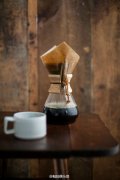
Reasons for choosing organic coffee beans in the common sense of fine coffee
1. Protect the next generation: reduce exposure to carcinogenic chemicals such as pesticides and herbicides. two。 Prevent soil exhaustion: according to the soil Conservation Society, soil loss is seven times higher after chemicals are used and plants that nourish the soil are destroyed. 3. Energy conservation: modern farming is suitable for planting and harvesting crops made of petroleum artificial fertilizers. 4. To chemical drugs
2014-12-28 Boutique coffee common sense choice organic coffee beans reason protection next generation minus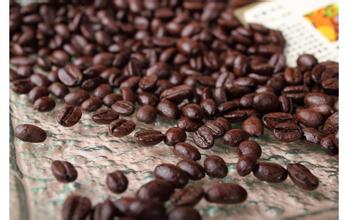
Introduction to the flavor and taste characteristics and roasting degree of Peruvian organic coffee beans in America
Flavor and taste characteristics: high-quality and balanced, palatable acidity, can be used for mixed drinks, Peruvian coffee does not have a long history, but as a rising star, Peruvian coffee is gradually opening up its popularity and entering the world. Peru is located in western South America, with a coastline of 2254 kilometers. The Andes runs from north to south, and the mountains account for 1% of the country's area. it belongs to the tropical desert region with a dry climate.
2016-01-06 America producing area Coffee beans Peru Organic Flavor Taste characteristic Baking Cheng
Introduction of Peruvian organic coffee with high quality and balanced acidity
Flavor and taste characteristics: high-quality and balanced, palatable acidity, can be used for mixed drinks, Peruvian coffee does not have a long history, but as a rising star, Peruvian coffee is gradually opening up its popularity and entering the world. Peru is located in western South America, with a coastline of 2254 kilometers. The Andes runs from north to south, and the mountains account for 1% of the country's area. it belongs to the tropical desert region and has a dry climate.
2016-06-20 Quality balance acidity palatability Peru organic coffee introduction flavor taste
Organic Coffee and traditional Coffee
How organic coffee differs from traditional coffee: coffee factories traditionally grow in shade trees and other food and commodity crops. This approach is done for healthier soil and prevented water pollution. Unfortunately, many coffee growers have abandoned this approach in favor of larger crops and greater profits. However, integrated pesticides, herbicides and fertilizers have become necessary
2014-08-06 Coffee knowledge organic coffee traditional coffee
Peruvian Organic Coffee Flavor and Taste introduction Peruvian boutique coffee beans
Peru is also a big coffee producer. Up to 98% of Peruvian coffee is grown in forest areas, and most producers are small farmers. Coffee is high-quality and balanced and can be used for mixed drinks. Peru has good economic conditions and a stable political situation, thus ensuring the good quality of coffee. In the mid-1970s, Peru produced about 900000 bags of coffee a year, and then continued.
2016-07-19 Peru organic coffee flavor taste introduction boutique coffee beans too
Peruvian coffee flavor and taste Peruvian organic coffee boutique coffee beans Peruvian coffee beans
Peru is also a big coffee producer. Up to 98% of Peruvian coffee is grown in forest areas, and most producers are small farmers. Coffee is high-quality and balanced and can be used for mixed drinks. Peru has good economic conditions and a stable political situation, thus ensuring the good quality of coffee. In the mid-1970s, Peru produced about 900000 bags of coffee a year, and then continued.
2016-07-29 Peru coffee flavor taste introduction organic boutique coffee beans variety
Introduction of Peruvian coffee bean varieties Peruvian organic coffee boutique coffee beans
Peruvian coffee cultivation history is not long, but as a rising star, Peruvian coffee is gradually opening up its popularity and entering the international market. Peru is located in western South America, with a coastline of 2254 kilometers. The Andes runs from north to south, and the mountains account for 1% of the country's area. it belongs to the tropical desert region with a dry and mild climate. Peruvian coffee is mostly grown at the foot of the Andes, where it is abundant.
2016-07-22 Peru coffee beans varieties organic coffee boutique introduction cultivation
Peruvian coffee flavor Peruvian coffee characteristics Peruvian coffee taste
Peruvian coffee beans are best known for their coffee beans from Chimacha Mayou in the middle and Cusco in the south. In addition, some areas in northern Peru also produce characteristic organic coffee. Organic coffee is made of beans grown in the shade of trees. Although the yield of coffee beans is not high because of the method of planting in the shade, its quality can reach the level of gourmet coffee. This is due to
2016-08-29 Peru coffee flavor characteristics taste coffee beans central Chan tea Mayo
Organic coffee from Giant Turtle Island Galapagos Coffee
The quality of Galapagos coffee is very good, and it is mainly exported to Scandinavia and other Nordic countries, so our people know little about it. As coffee is consumed by people all over the world, the world coffee industry is also moving towards a mass production model. Small-scale planting models like the Galapagos actually limit its development. If the scale is not expanded, it is likely to end up with no profit.
2016-06-18 From giant turtle organic coffee Lapa Goss quality
Introduction to the characteristics of Peruvian Organic Coffee Flavor and Fine Coffee beans
Peru's finest coffee is produced in Chaximayo, Cusco, Note and Puno. Most Peruvian coffee is grown under natural conditions, but it is also difficult to confirm the cultivation of all coffee trees. Coffee grown under natural conditions costs 10% more than others and is exported to the United States and Japan. The quality of Peruvian coffee is comparable to that of any kind of coffee in Central or South America. Peru
2016-08-10 Peru organic coffee flavor taste manor producing area characteristics boutique coffee beans
Introduction to Peruvian Organic Coffee processing methods, Baking degree, characteristics of Fine Coffee
Peru is located in western South America, with a coastline of 2254 kilometers. The Andes runs from north to south, and the mountains account for 1% of the country's area. it belongs to the tropical desert region with a dry and mild climate. Peruvian coffee is mostly grown at the foot of the Andes, where it is rich in traditional Central American top coffee beans. Peruvian coffee beans grown in the central part of the country and Cusco in the south
2016-09-24 Peru organic coffee treatment way baking degree producing area characteristics boutique
The Origin of Robusta Coffee in the unique African Coffee Organic Bugisu producing area of Ugandan Coffee
Boutique coffee is fresh coffee. Whether it's food or drink, of course, the fresh the better, and so is boutique coffee. High-quality coffee should keep the coffee beans fresh before making, including the preservation of baked beans, and grind the coffee beans into powder before making, which is also to retain its original and best flavor. And the way of making hand-made coffee is such a way to make high-quality coffee.
2016-06-25 Uganda Coffee unique Africa Organic Bugisu producing area Robbs
Rich and sweet Peruvian organic coffee flavor manor introduction Peruvian coffee characteristics boutique coffee beans
Peruvian coffee cultivation history is not long, but as a rising star, Peruvian coffee is gradually opening up its popularity and entering the international market. Peru is located in western South America, with a coastline of 2254 kilometers. The Andes runs from north to south, and the mountains account for 1% of the country's area. it belongs to the tropical desert region with a dry and mild climate. Peruvian coffee is mostly grown at the foot of the Andes, where it is abundant.
2016-08-03 Rich sweet Peruvian organic coffee flavor taste manor introduction characteristics
Salvadoran coffee is certified organic coffee boutique coffee
Fine coffee is made from boutique coffee beans. If the beans that make coffee are not boutique coffee beans, the coffee liquid produced cannot be called fine coffee. Boutique coffee is fresh coffee. Whether it's food or drink, of course, the fresh the better, and so is boutique coffee. High-quality coffee should keep the beans fresh before making, including the preservation of roasted beans, and the coffee should be made before making.
2016-06-02 El Salvador coffee all certified organic boutique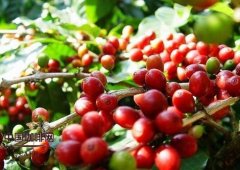
Salvadoran coffee is certified organic coffee boutique coffee
El Salvador (El Salvador) aroma 4 minutes brightness 4.5 minutes mellow 3 points flavor 4.5 points aftertaste 4.5 points suitable for baking degree: if City/Full city city has a preference for heavy flavor, you can bake it a little deeper. Most people think of El Salvador as a place with frequent wars, but it is true that years of civil war have made El Salvador's coffee
2016-06-08 El Salvador coffee all certified organic boutique Sa
Peruvian Fine Coffee Flavor and taste the manor area introduces Peruvian organic coffee
Peru is also a big coffee producer. Up to 98% of Peruvian coffee is grown in forest areas, and most producers are small farmers. Coffee is high-quality and balanced and can be used for mixed drinks. Peru has good economic conditions and a stable political situation, thus ensuring the good quality of coffee. In the mid-1970s, Peru produced about 900000 bags of coffee a year, and then continued.
2016-07-19 Peru boutique coffee flavor taste manor producing area introduction organic